
The Man Behind the Name
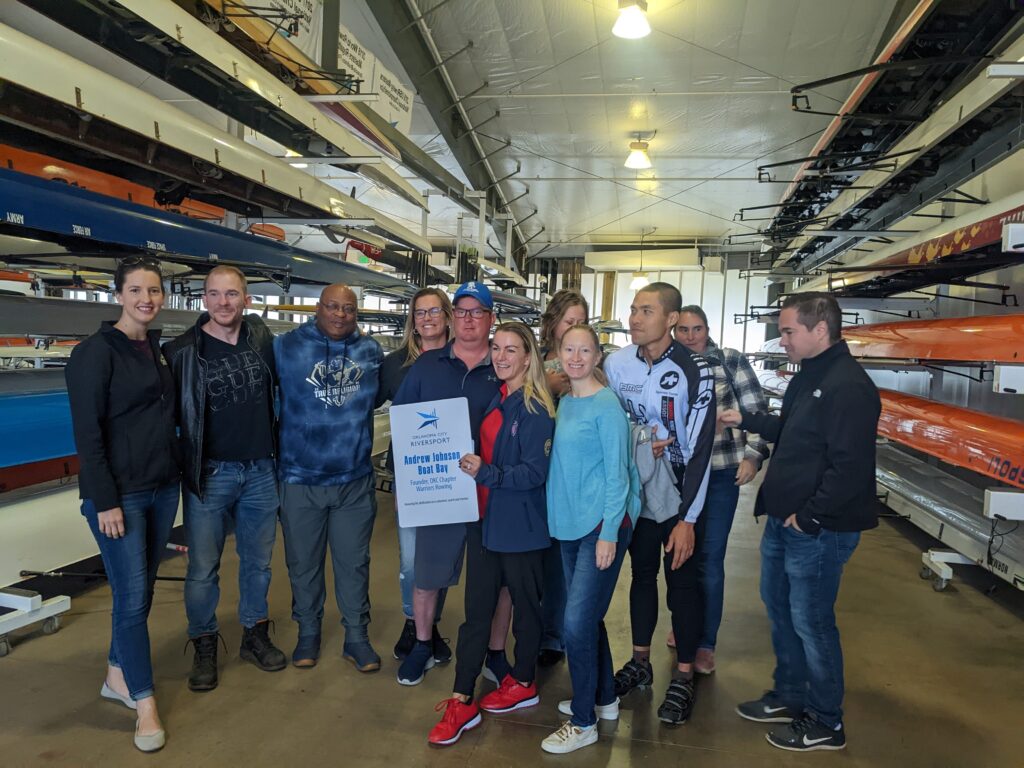
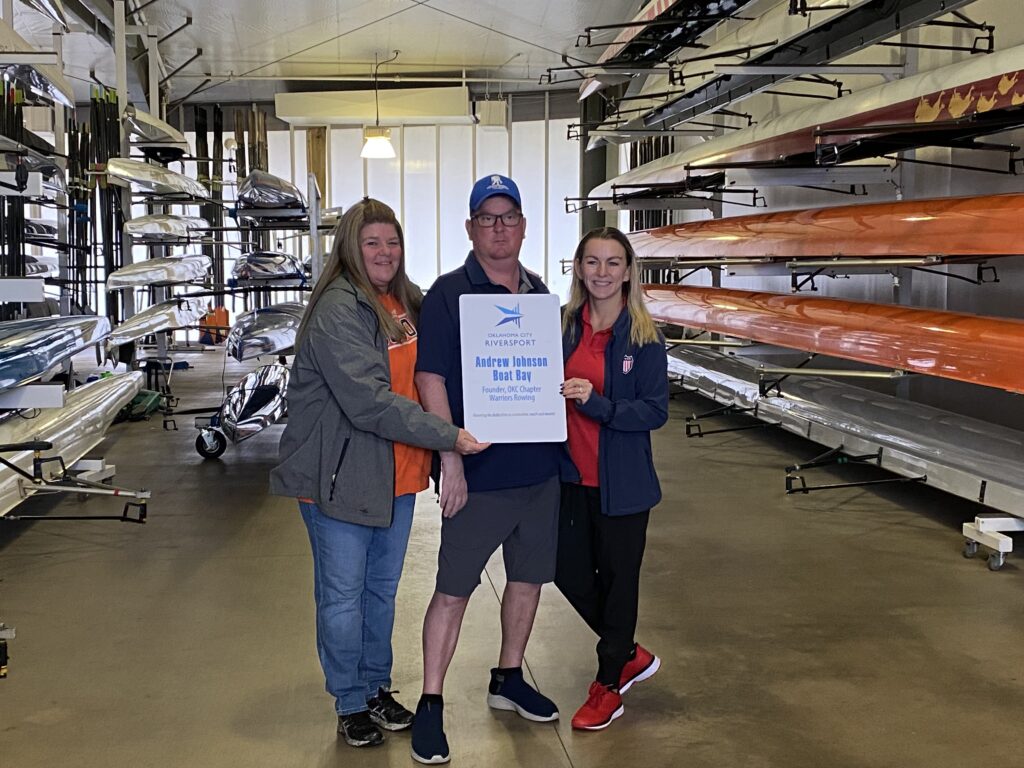
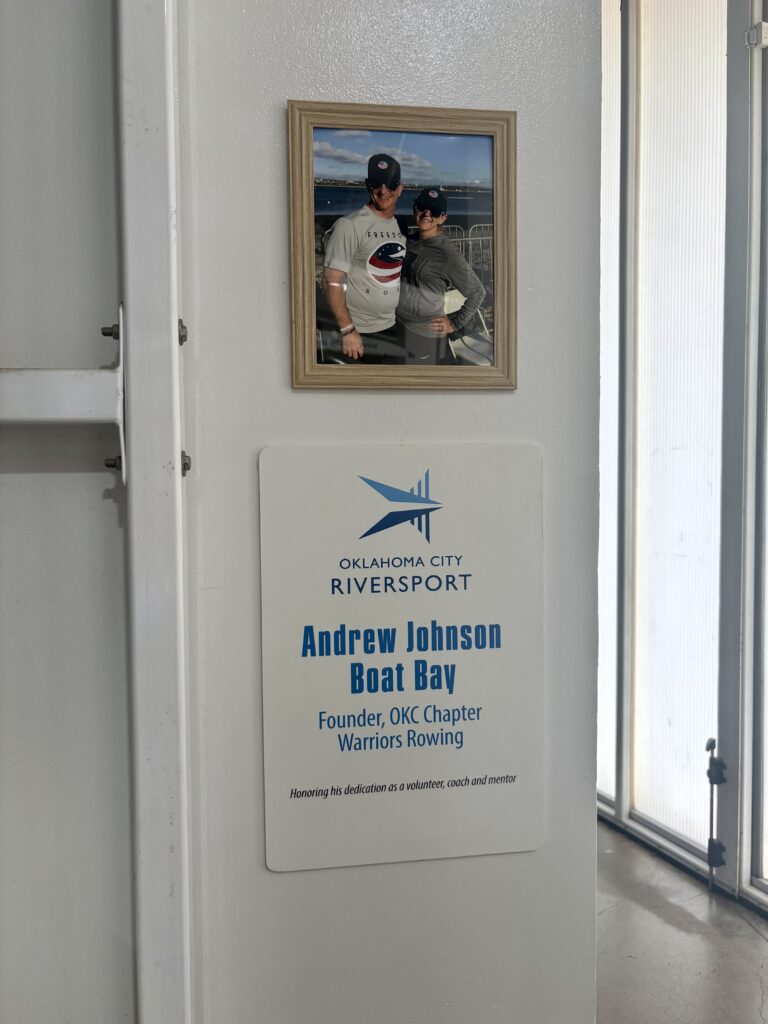
If you’re reading this, you’ve probably noticed the sign in this boat bay and wondered:
Who was Andrew Johnson?
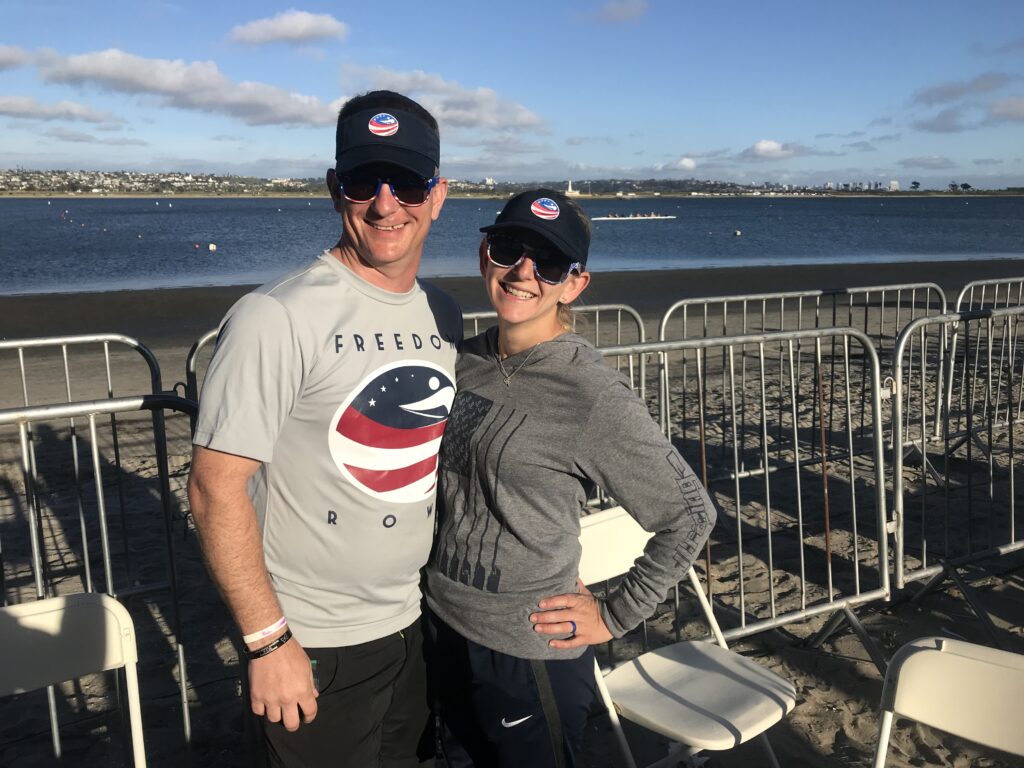
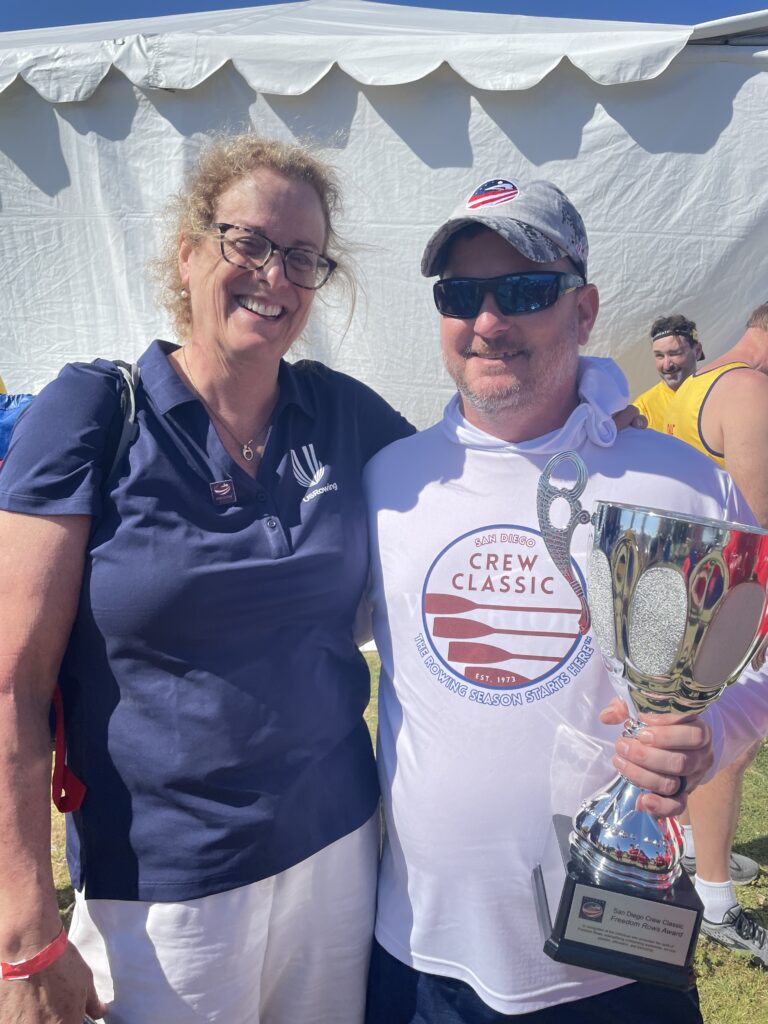
Andrew was a Navy veteran, a husband, a father, a competitive para rower, and a volunteer whose fingerprints can still be found throughout this boathouse. But more than any title, he was someone who believed that people were capable of far more than they thought possible.
He spent his life proving it.
After Andrew’s first brain cancer diagnosis in 2009, doctors told him he might not survive surgery. If he did survive, they said he would likely never walk again.
Andrew refused to let someone else define what was possible.
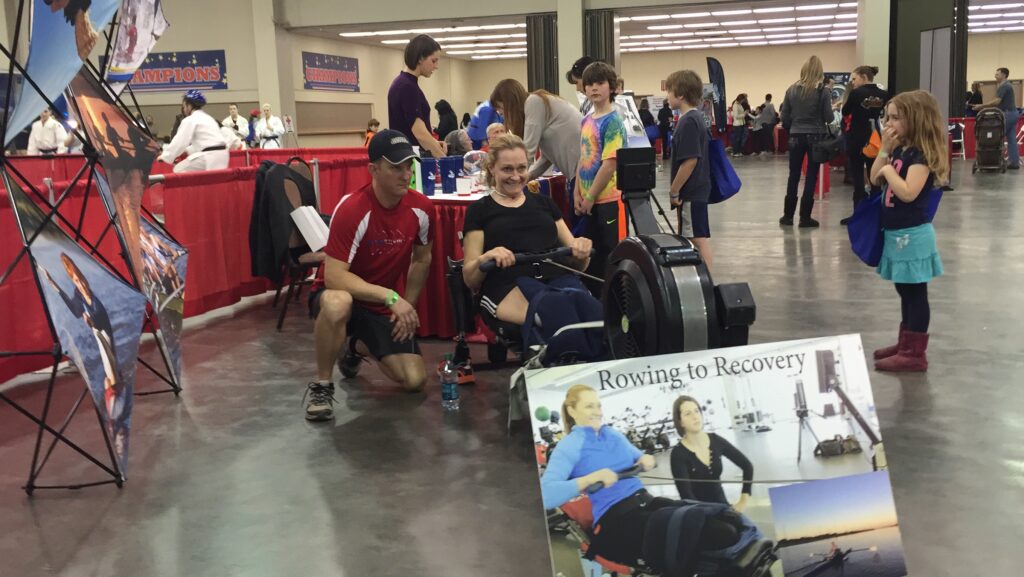
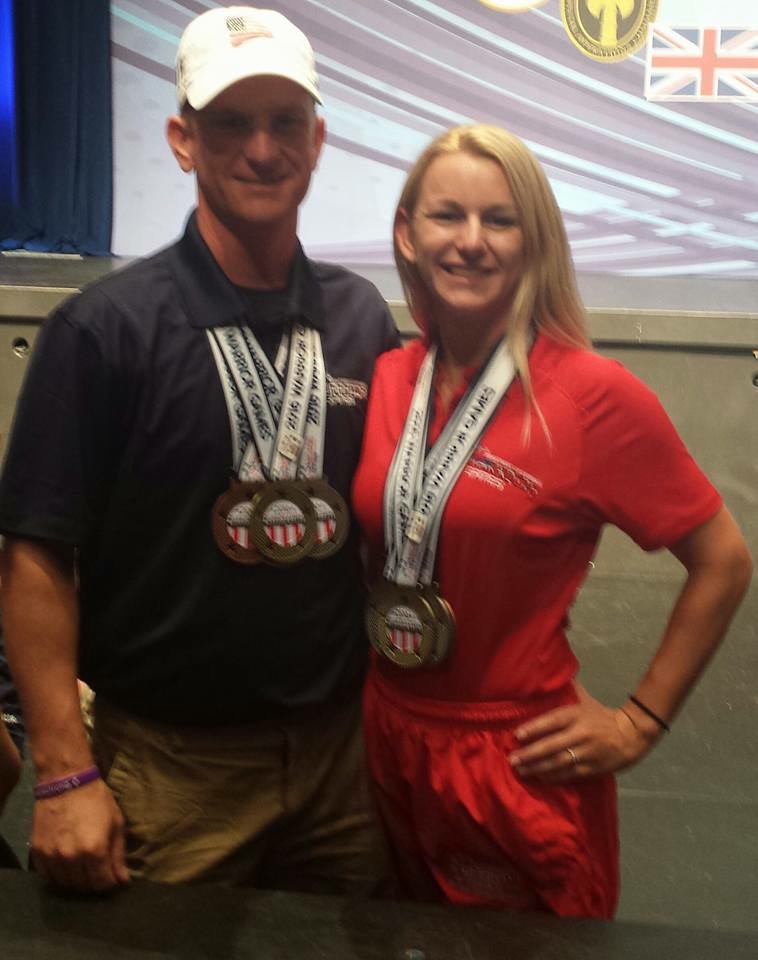
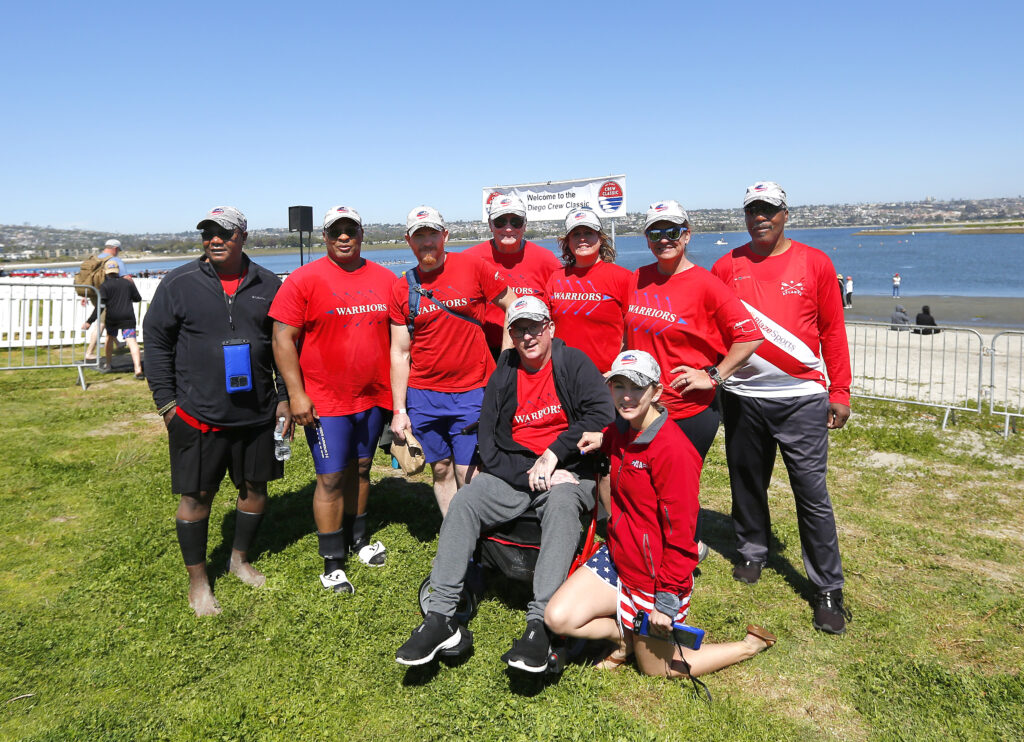
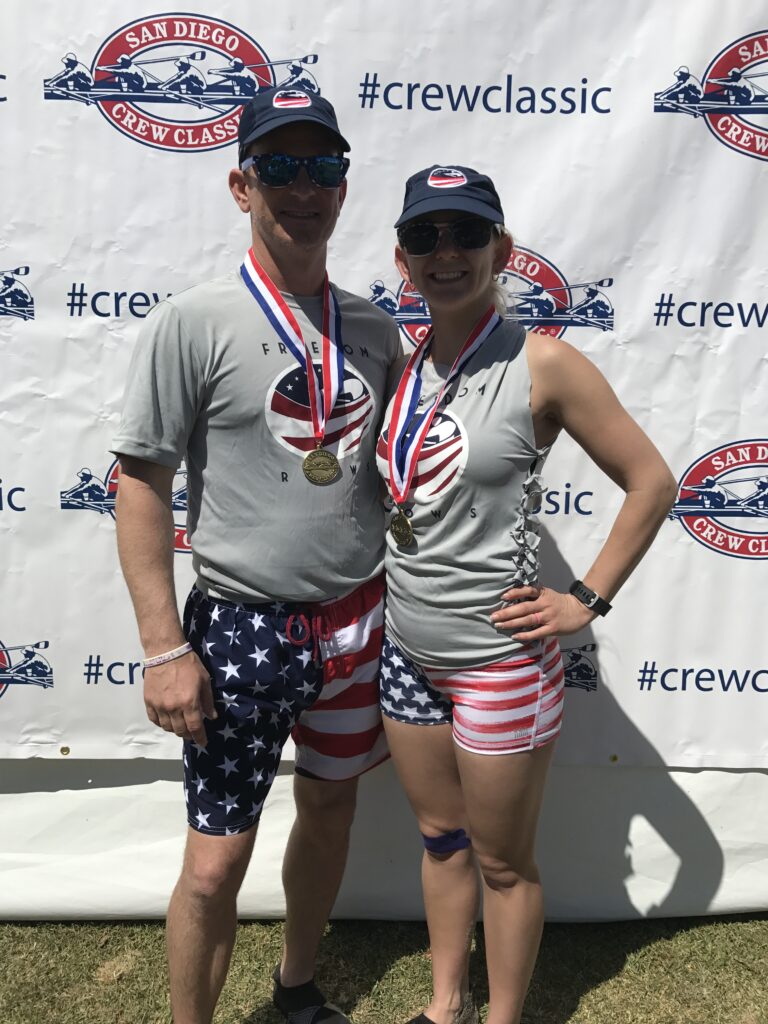
He learned to walk again. He became a competitive para rower. He competed on the national stage, inspired countless veterans, and continued to live with a determination that challenged everyone around him to become a better version of themselves.
That same mindset is what brought him to this boat bay.
As a former Navy aviation mechanic, Andrew loved working with his hands. When he saw that the boathouse needed someone to repair damaged shells, he didn’t wait for someone else to solve the problem. He volunteered.
For the next two years, this boat bay became his second home.
If you had walked in while he was working, you probably would have found a Starbucks coffee sitting nearby, an ’80s playlist filling the room, and every tool carefully returned to its place. Years in the military had taught him that organization mattered, and every repair deserved to be done right the first time.
Andrew wasn’t interested in quick fixes.
He spent hours researching repair techniques, calling manufacturers, watching instructional videos, and teaching himself how to restore carbon-fiber racing shells correctly. Sometimes the damage seemed impossible. One time an entire bow had broken off a shell. Andrew carefully created a cardboard template from another boat and patiently rebuilt the missing section, layer by layer, with carbon fiber and epoxy until the boat could safely return to the water.
He took tremendous pride in watching a shell launch after he had repaired it. Often, the paint or epoxy had barely finished curing before athletes were carrying it down to the dock for practice.
Most of the people using those boats never realized whose hands had made that moment possible.
Andrew was perfectly okay with that.
He didn’t volunteer for recognition.
He volunteered because there was work to be done.
One of the things I admired most about Andrew was that he never saw expertise as something to protect. Even as a volunteer, he invested time teaching the boathouse’s paid boat mechanic the repair techniques he had painstakingly learned himself. In rowing, people are often asked to step into unfamiliar roles and figure things out along the way. Andrew understood that. Rather than criticize, he encouraged, mentored, and shared his knowledge freely. To him, strengthening the people around him was just as important as strengthening the boats they rowed.
Rowing also changed his own life in ways he never expected.
It’s where I met him.
I came to check out the veteran rowing program with no intention of joining. Instead, I met Andrew. We met on a Thursday, went on our first date Friday, and spent the next eleven years building a life together.
Our story began because of rowing.
His legacy continues because of it.
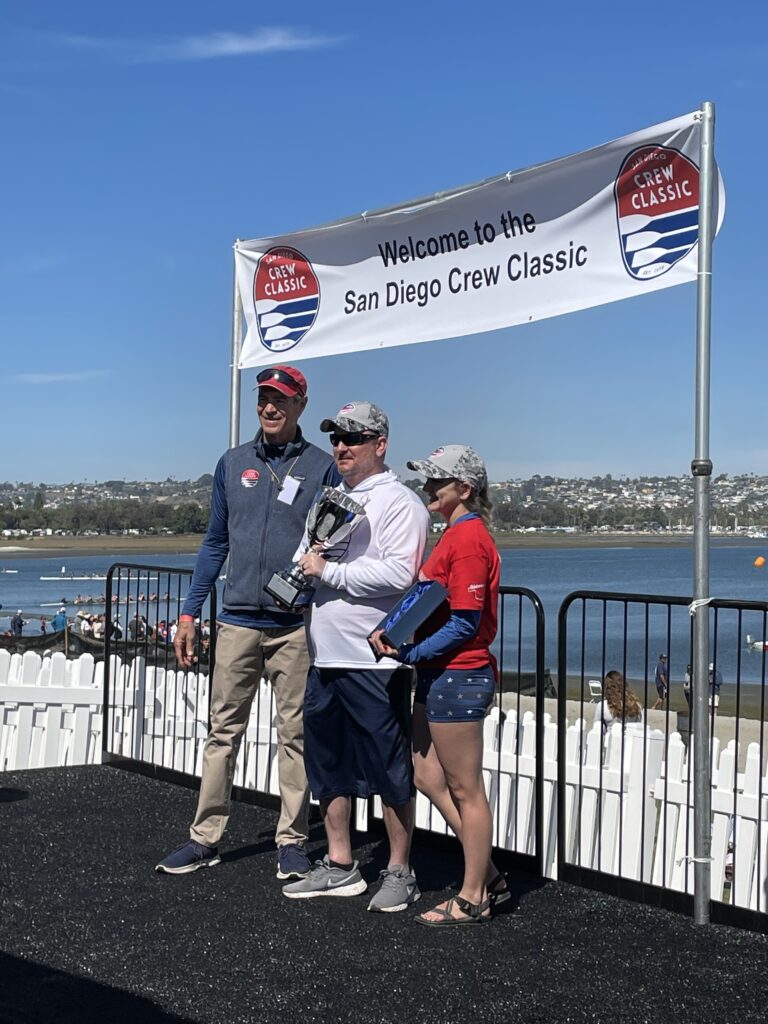
When this boat bay was dedicated in Andrew’s honor, he was already deep into his second battle with brain cancer. Earlier that day, we had been in the emergency room, unsure whether he would even make it to the dedication. He had lost his ability to speak, but he was still walking.
I’ll never forget seeing him surrounded by teammates, veterans, friends, and rowers who had come to celebrate everything he had quietly given to this community.
He never liked being the center of attention.
But he loved seeing the people he cared about together.
Today, every repaired shell, every practice, every race, and every new athlete who launches from this boathouse carries a small piece of his legacy forward.
Andrew believed that service didn’t always happen in front of a crowd.
Sometimes it looked like staying after practice.
Picking up a wrench.
Repairing what was broken.
Teaching someone else.
Encouraging a teammate.
Leaving something better than you found it.
If you’ve taken the time to read his story, I hope you’ll help continue it.
Treat every shell with care.
Take ownership of this boat bay.
Pick up after yourself.
Respect the equipment.
Encourage the person rowing beside you.
Be grateful for the opportunity to be here.
And whenever you see Andrew’s name on this wall, remember that the greatest legacy we leave isn’t found in the recognition we receive.
It’s found in the lives we quietly make better.
— Jessica-Rose Johnson
Andrew’s Forever Love
“He always pushed people to become better versions of themselves.”
Andrew Johnson 1976-2026